©Simon Chamaillé-Jammes, CNRS
VERTEX Vision
(this scene was filmed by a VERTEX Vision)
All Wildlife Products
VERTEX Vision is a valuable addition to our VERTEX Plus collar system, designed for researchers studying animal behavior and interactions. Combining advanced imaging capabilities with a field-proven design, it enables reliable data collection across a wide range of research applications. The camera can be configured for either side-view or front-view recording and offers up to 238 GB of storage, 10 video modes, and low power consumption. The collar features an internal Drop Off to release the collar on demand. Camera activation can be triggered by a timer, GPS schedule, proximity events, or birth events when used with VIT. High-resolution imagery, a wide field of view, and adjustable frame rates provide great flexibility for researchers. In addition, VERTEX Vision enables users to download recordings directly from the collar before camera refurbishment.
| Memory | up to 238 GB |
| Aspect ratio | 16:9 |
| Field of view | Normal, Superview |
| Photo resolution | 10-20 MP |
| Video modes | 10 available modes |
| Video resolution | 720p, 1080p, 2.7K, 4K |
| Frame rate | 30 fps, 60 fps |
| Video/audio recording length | 10 sec to 6 min |
- Resolution, frame rate, and field of view are individually configurable
- Users can directly download photos and videos without having to return collar to the factory
| Mode | Format |
| 0 | 4K 30Hz 16:9 superview |
| 1 | 4K 30Hz 16:9 normal |
| 2 | 2.7K 60Hz 16:9 superview |
| 3 | 2.7K 60Hz 16:9 normal |
| 4 | 2.7K 30Hz 16:9 normal |
| 5 | 1080p 60Hz 16:9 superview |
| 6 | 1080p 60Hz 16:9 normal |
| 7 | 1080p 30Hz 16:9 normal |
| 8 | 720p 60Hz 16:9 superview |
| 9 | 720p 30Hz 16:9 normal |
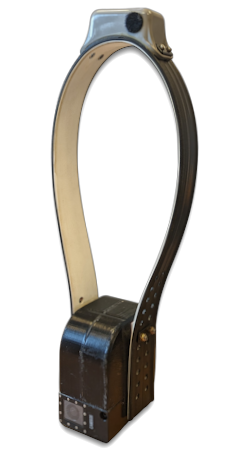
VERTEX Vision
Battery: 5D, front-view camera
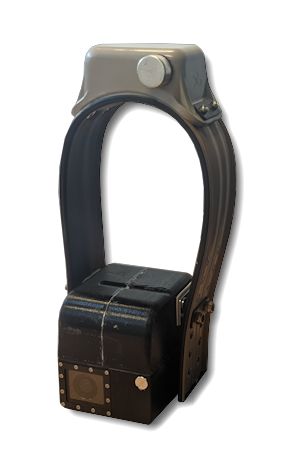
VERTEX Vision
Battery: 2D, front-view camera
Excerpts from recordings of the VERTEX Vision:
Polar Bear Footage: Anthony Pagano (USGS);
Principal Investigator: Anthony Pagano (USGS);
Acknowledgments: Toshio Matsuoka, Alaska Science Center; Yvette Gillies, Alaska Science Center
©Simon Chamaillé-Jammes, CNRS